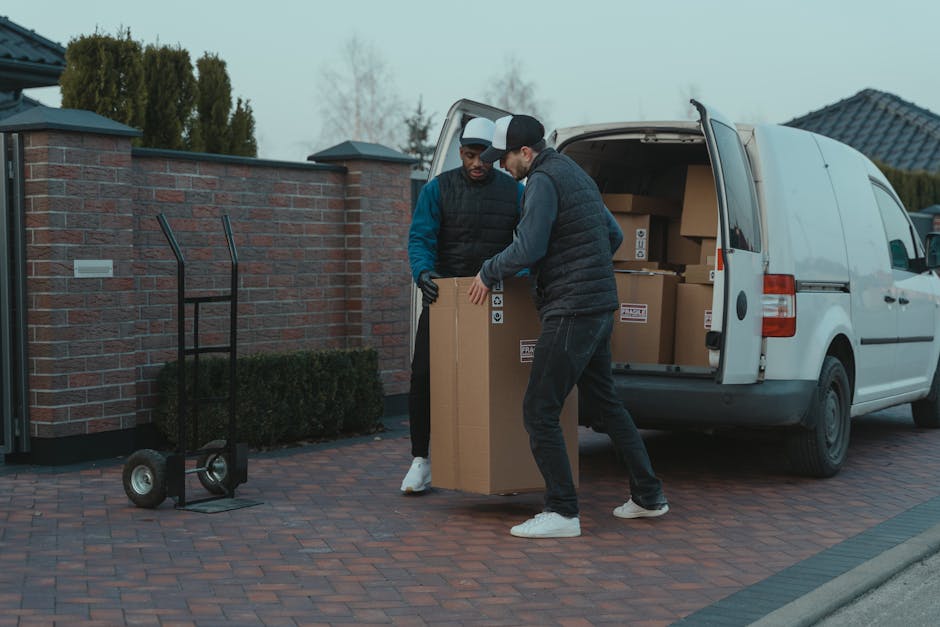
Turnham Green Terrace man with van tips for Chiswick moves

If you are planning a move around Turnham Green Terrace, the difference between a smooth day and a stressful one often comes down to small details: where the van can stop, how many trips you will need, whether the sofa will fit through the hallway, and how early you start packing. That is exactly why Turnham Green Terrace man with van tips for Chiswick moves matter. A good plan saves time, reduces lifting, and helps you avoid the classic moving-day headache of standing on the pavement wondering where the last box went.
Chiswick moves tend to be slightly more fiddly than people expect. You may be dealing with tight residential streets, flats above shops, shared entrances, awkward stairwells, or a busy window where parking disappears fast. So this guide is built to be practical, local, and realistic. You will find step-by-step advice, expert tips, common mistakes, and a clear checklist to help you choose the right approach for your move.
Whether you are moving a studio, a family flat, a few heavy items, or a small business load, the aim is simple: make the move feel manageable. Not perfect. Just properly organised, which is usually enough.
Why Turnham Green Terrace man with van tips for Chiswick moves Matters
A man with a van sounds simple, and often it is. But simplicity can be deceptive. In an area like Turnham Green Terrace, the practical side of moving matters more than the label on the vehicle. You need to think about access, timing, load size, and how the move fits around everyday life on a busy west London street.
The phrase Turnham Green Terrace man with van tips for Chiswick moves is really about getting the planning right before anything gets lifted. If you get that part right, the rest of the job feels calmer. If you get it wrong, you can end up with extra waiting time, extra trips, and a lot more strain on your back than you planned for. To be fair, nobody wants to be carrying a wardrobe case up two flights of stairs at 8:30 in the morning while the kettle is still cold.
This matters even more if you are moving from a flat, a terraced property, or a mixed-use building where timing and parking are tight. A smaller vehicle can be a huge advantage in streets where a larger lorry would be awkward. That is why many people look at a man with van service for local moves: it can be more flexible, quicker to load, and easier to match to a smaller home move or partial move.
It also matters because the move is rarely just about transport. You may need packing help, furniture handling, disposal of unwanted items, or a plan for fragile belongings. In practice, the best move is one that feels coordinated rather than improvised.
How Turnham Green Terrace man with van tips for Chiswick moves Works
A man with van move usually follows a straightforward structure. You list what needs moving, the provider estimates the vehicle and labour needed, and on the day the team loads, transports, and unloads your items. The job can be as light-touch or as hands-on as you need it to be.
For a Turnham Green Terrace move, the important question is not just what is being moved, but how it will be moved. A single-bedroom flat may only need one vehicle run and a couple of hours. A larger home might need a bigger vehicle, more lifting support, or a staged plan. If you are unsure how much you need, it is better to describe the move clearly than to guess.
In a real move, the sequence often looks like this:
- You share details about the property, access, and item list.
- The move is planned around the likely size of van and crew required.
- Packing, dismantling, or disposal tasks are identified early.
- Loading begins in the most sensible order: large items first, fragile items secured separately.
- The van is driven to the new address and unloaded with care.
That sounds ordinary, and it is. But ordinary is good here. Clear planning beats last-minute chaos every time.
For some customers, the right fit is a broader man and van service, especially if the job includes both transport and practical loading help. For bigger household relocations, you may prefer to compare options with home moves or, for heavier furniture and more complex jobs, house removalists.
Key Benefits and Practical Advantages
The main advantage of this kind of move is flexibility. A van can be easier to position on residential streets, easier to load in stages, and often easier to adapt to odd-shaped items. That can save time and reduce friction, which is one of those annoyingly underrated benefits of moving well.
- Better access: smaller vehicles are often easier to use in tighter streets and courtyards.
- Less wasted effort: the move can be planned around the actual volume of items, not a one-size-fits-all truck.
- Faster local transport: Chiswick-to-Chiswick or nearby moves can often be completed in a tight window.
- More control: you can separate essentials from bulkier items and keep the day organised.
- Cost efficiency: for smaller loads, you may avoid paying for more vehicle than you need.
There is also a peace-of-mind benefit. When someone understands local moving conditions, they tend to anticipate the annoying parts before they become problems. That can mean planning for narrow access, holding furniture protectively through door frames, or making sure the van is loaded in a sequence that avoids damage.
If you also have items to dispose of, this is where the move can become more useful still. A provider that understands furniture pick-up or specialist item handling can help you reduce clutter instead of just shifting it from one address to another.
Who This Is For and When It Makes Sense
This approach makes sense for people who do not need a full-scale removal lorry but still want a professional, organised move. That includes renters, homeowners, landlords, students, small business owners, and anyone moving only part of a property. It is also a smart fit for people who value responsiveness more than bells and whistles.
Here are the most common situations where it works well:
- moving from a studio or one-bedroom flat
- relocating within Chiswick or to a nearby area
- moving a few large pieces rather than a whole house
- collecting newly purchased furniture
- clearing a property before sale or let
- small office, studio, or work-from-home set-ups
It may be less suitable if you have a large family home, very high volumes of furniture, or multiple rooms of boxed items that need complex coordination. In that case, a more substantial vehicle or a wider removal service may be more sensible, such as a moving truck or removal truck hire.
One useful rule of thumb: if you can describe the move in one careful paragraph, a man with van setup may be ideal. If the explanation needs a diagram, a second van, and maybe a coffee, you probably need something bigger.
Step-by-Step Guidance
The easiest moves are the ones that start early. Not wildly early. Just early enough to stop the day from feeling improvised.
1. Make a simple inventory
Walk room by room and write down the items that actually need moving. Include awkward shapes, delicate pieces, and anything that cannot be stacked easily. You do not need a museum catalogue. You just need enough detail to avoid surprises on the day.
2. Measure the awkward things first
Measure beds, wardrobes, sofas, desks, and appliances. Check door widths and stair turns if you know the route. It is often the last five centimetres that cause the trouble, not the last five pounds of weight.
3. Decide what is moving and what is not
Separate the items you want to keep from things that can be donated, recycled, or removed. If you have unwanted bulky items, it may help to arrange a separate disposal plan using services such as mattress and sofa disposal or fridge and appliance removal where appropriate.
4. Pack by priority, not by room alone
Put essentials together: documents, chargers, toiletries, kettle, snacks, tools, and a change of clothes. People often forget the boring stuff and then spend the first evening searching for a phone cable under a pile of bedding.
5. Reserve access and timing carefully
Check whether you need to avoid peak traffic, school run periods, or building restrictions. If you can, give yourself a wide loading window. It sounds cautious, but it is usually the difference between smooth and rushed.
6. Load in the right order
Large, sturdy items go in first. Fragile items are protected and separated. Lightweight boxes fill the gaps. A good loader thinks like a puzzle solver, not a human forklift.
7. Confirm what happens at the other end
Make sure the destination is ready: keys, access, parking, elevator use, and room labels if needed. If you are moving into an office or combining home and business items, planning around office relocation services can help keep everything sensible.
Expert Tips for Better Results
These are the small things that save the day.
- Start with the heaviest items: they set the rhythm of the load and make space planning easier.
- Protect surfaces before moving: blankets, covers, and simple wrapping can prevent avoidable scuffs.
- Label by destination room: not just by contents. "Bedroom 2" beats "misc" every time.
- Keep hardware in sealed bags: screws, shelf pins, and fixings disappear fast. Like magic, honestly.
- Leave a clear walkway: the route from door to van should be free of bags, shoes, and random chairs.
- Have one person directing traffic: too many instructions can slow things down. One calm voice is enough.
Another practical tip: photograph cable setups before unplugging anything. That simple step can save you thirty minutes of head-scratching later. Also, if you are moving a mix of home and work items, consider whether confidential papers should be handled separately with confidential shredding.
And yes, keep a roll of tape and a marker pen handy. The humble marker pen is not glamorous, but it has rescued more moving days than people care to admit.
Common Mistakes to Avoid
Most moving problems are avoidable. The trouble is, people usually realise that after the sofa has already blocked the hallway.
- Underestimating volume: a room that looks small can still contain a lot of packable chaos.
- Leaving packing too late: last-minute packing often leads to poor box weight balance and broken items.
- Ignoring access: a van can only do so much if parking is impossible or the entrance is blocked.
- Mixing fragile and heavy items: this is how cups, picture frames, and lamps get damaged.
- Forgetting disposal: if something is not moving with you, decide now whether it needs recycling or removal.
- Not checking payment and booking details: small admin errors can create irritating delays on the day.
A very common one? People assume the move will be faster than it is, then pack the boxes too late and end up carrying loose items in carrier bags. That works once, maybe. Then not again.
Also, do not ignore the weather. A damp London morning can make cardboard soft and floors slippery. It sounds obvious, but the obvious things tend to be the ones people skip.
Tools, Resources and Recommendations
You do not need fancy kit, but a few basic tools make a huge difference. These are the practical items that often pay for themselves in reduced stress.
- strong boxes in a few different sizes
- packing tape and a dispenser
- permanent marker pens
- stretch wrap or protective wrap for furniture
- blankets or covers for soft furnishings
- gloves with a decent grip
- basic toolkit for dismantling beds or tables
- reusable bags for last-minute loose items
For many people, a little extra help with packing and unpacking services is worth it, especially if time is tight or there are fragile items to protect. It is also sensible to review insurance and safety before booking, because a responsible move is not just about getting things from A to B. It is about reducing risk while doing it.
If you are still comparing options, you may also want to look at pricing and quotes so you understand how the service is structured before the move date arrives. That way, there are fewer awkward surprises. And fewer surprises is nearly always a win.
Law, Compliance, Standards, or Best Practice
Moving work in the UK is shaped more by everyday best practice than by flashy rules. Still, sensible compliance matters. A professional mover should handle items safely, transport them securely, and be clear about the service terms. That sounds basic, but basic is exactly what you want.
Best practice usually includes:
- clear communication about what is included and excluded
- safe lifting and loading methods
- care with fragile, heavy, or awkward items
- respect for access routes and shared spaces
- appropriate handling of waste and unwanted items
- transparent expectations on timing and payment
If you are disposing of items rather than moving them, separate them properly. Some waste types need more care than ordinary household rubbish, which is why services such as hazardous waste disposal should only be used where appropriate and in line with the provider's guidance. Likewise, if you are rethinking your approach to unwanted items altogether, recycling and sustainability is a sensible lens to use.
Before booking any move, it is also worth checking the provider's general policies, especially health and safety policy, payment and security, and terms and conditions. That is not being overly cautious. It is just being organised.
Options, Methods, or Comparison Table
If you are deciding between a small local move, a man and van setup, and a larger removal service, the best choice depends on volume, access, and how much handling support you need.
| Option | Best for | Strengths | Watch out for |
|---|---|---|---|
| Man with van | Small to medium local moves | Flexible, practical, often good for tight streets | Can be too small for large household loads |
| Man and van | Items plus loading help | Useful when you need both transport and lifting support | Check exactly what labour is included |
| Moving truck | Larger or heavier loads | More capacity for bulkier moves | May be less convenient on narrow streets |
| Removal truck hire | Structured larger removals | Better for bigger homes and complex loads | Can be more than you need for a light move |
There is no single winner. A flat move from Turnham Green Terrace to a nearby Chiswick address might be perfect for a compact van. A family relocation with lots of furniture, boxes, and dismantled pieces may need a broader plan. Sometimes the answer is obvious once you list everything honestly. Sometimes it is not. That is normal.
Case Study or Real-World Example
Picture a fairly typical local move: a one-bedroom flat near Turnham Green Terrace, two people, a sofa, a bed frame, a desk, several boxes, and a couple of items they do not want to keep. Nothing dramatic. Just the usual assortment of life.
They start by sorting items into three groups: moving, disposing, and keeping for later. That alone cuts clutter. The desk is partially dismantled the evening before. Fragile items are packed into smaller boxes so they are easier to lift and safer to carry. The hallway is cleared, and the loading route is checked so nobody has to squeeze past bags and shoes. Simple things.
On moving day, the van arrives with enough space for the full load because the inventory was honest. The sofa is wrapped, the bed parts are labelled, and the boxes are loaded by weight and room. The move takes less time than expected because there is no rummaging, no "where does this go?", and no awkward surprise item forgotten in the bathroom cabinet.
The real win was not speed on its own. It was calm. The job felt contained, which is what people usually want even if they do not say it out loud.
That is the sort of result good planning creates. Not flashy. Just quietly effective.
Practical Checklist
Use this before the van arrives. It is a good final pass, especially if the move is happening in the morning and you are running on tea and nerves.
- All items to move are listed clearly
- Heavy furniture has been measured
- Fragile boxes are labelled
- Walkways are clear
- Parking or access is confirmed where possible
- Keys, codes, or entry details are ready
- Tools for dismantling are available
- Essential items are packed separately
- Unwanted furniture is identified for disposal or pick-up
- Payment details have been checked
- The contact person for both addresses is clear
- Protective covers or blankets are ready for delicate surfaces
If you want a calmer, more streamlined move, it often helps to book online once you have your details ready. If you still have questions, the team's about us page can help you understand the service approach, and you can always use the contact us page if you need to clarify the job before the move date.
Get a free quote today and see how much you can save.
Conclusion
The best Turnham Green Terrace man with van tips for Chiswick moves are not complicated, but they do need attention. Measure first, pack with purpose, be honest about volume, and plan access like it matters - because it does. That is the whole trick, really.
A good local move should feel efficient, careful, and easy to follow. Not effortless, perhaps, but manageable. If you take time with the basics, the rest tends to fall into place. And when moving day finally arrives, that calm feeling is worth a lot.
Move smart, keep it simple, and give yourself enough breathing room. That one decision can change the whole day.
Frequently Asked Questions
What is the best way to plan a man with van move from Turnham Green Terrace?
Start with a full item list, check access and parking, measure your largest furniture, and separate keep, move, and dispose piles early. The clearer the plan, the smoother the move.
Is a man with van service good for a small flat move in Chiswick?
Yes, it is often a strong fit for smaller homes, studio flats, and local moves where you do not need a full removal lorry. It works especially well when access is tight or the load is moderate.
How do I know if I need a moving truck instead?
If you have a large amount of furniture, multiple rooms of boxes, or bulky items that will not fit comfortably into a smaller van, a moving truck may be more suitable. It is usually a capacity question more than anything else.
Should I pack everything before the moving team arrives?
As much as possible, yes. Finished packing saves time and reduces the chance of forgotten items. If you need help, packing support can make the day far less chaotic.
What are the most common mistakes people make on local moves?
Underestimating how much there is to move, leaving packing too late, ignoring access issues, and forgetting about disposal are the big ones. Small errors turn into big delays very quickly.
Can I combine moving and furniture disposal in one day?
Often, yes. It can be efficient to move what you are keeping and arrange removal or pick-up for items you no longer want, as long as you separate everything clearly beforehand.
How far in advance should I book?
As soon as you know your likely date, especially if you are moving at a busy time of year or have a tight access window. Early booking gives you more choice and less last-minute stress.
Do I need to worry about parking on Turnham Green Terrace?
Yes, parking and access should be checked carefully. Even a short loading stop can matter on a busy street, so it is worth planning this before moving day rather than reacting in the moment.
What if I have fragile or valuable items?
Pack them separately, label them clearly, and keep them out of mixed heavy boxes. For items that need extra care, tell the mover in advance so they can be handled properly.
Can a man and van service help with office items too?
Yes, for smaller office loads or mixed home-and-work relocations. If the move is more structured or involves equipment, it can help to look at office relocation support as well.
Are there any safety checks I should look for before booking?
It is sensible to review the provider's insurance and safety information, along with their terms and conditions. That gives you a clearer idea of how the service is run and what to expect if something unusual comes up.
What should I do with items I am not taking to the new place?
Decide early whether they can be reused, recycled, collected, or disposed of separately. Bulky items, appliances, and soft furnishings may need specific handling, so it helps to sort them before the moving day arrives.