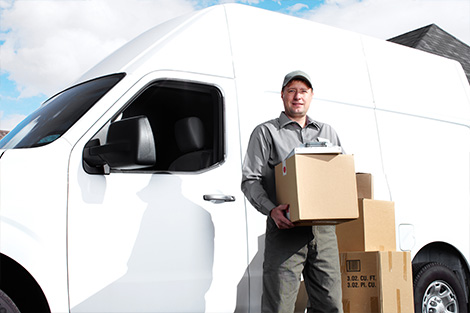
Health and Safety Policy for Chiswick Man with Van Rubbish Service
 This Health and Safety policy outlines the commitment of Chiswick Man with Van and related rubbish removal services to protect employees, contractors, customers and the public. The purpose of this document is to set clear expectations about safe working methods for man-and-van removals, household waste clearance and small-scale waste hauling. The policy emphasises practical risk control, compliance with general safety principles, and continual improvement in safety performance.
The policy applies to all staff engaged in waste collection, rubbish disposal, skip-alternative removals and light removals in and around our service area. It sets out roles and responsibilities, training requirements, incident reporting procedures and safe systems of work. It is the responsibility of every person involved in the business to follow the procedures and to contribute to a safe working environment.
 Our commitment is to maintain a working environment where hazards are identified and managed, where manual handling, vehicle operations and hazardous waste are controlled, and where staff are empowered to stop work if they identify an immediate danger. The policy supports safe rubbish collection operations, clear waste segregation practices and secure loading/unloading procedures to reduce the likelihood of injury and environmental harm.
Policy Statement and Scope
We will operate the man and van rubbish removal service in a way that minimises risk to people and property. This includes providing suitable equipment, maintaining vehicles and ensuring adequate supervision. The company adopts a preventative approach that emphasises hazard elimination where possible and the use of controls where hazards cannot be removed.
All staff and self-employed operatives engaged on removals, rubbish clearance and waste uplift must complete the required induction and periodic refresher training. Training will cover safe lifting techniques, traffic management, PPE use and the recognition of hazardous items such as asbestos-containing materials, chemicals and sharps.
Risk assessments will be carried out for routine tasks and for one-off jobs that present non-routine hazards. These assessments will be recorded and communicated to the team, and included in job planning for bulky waste collection, furniture disposal and garden waste removals.
Responsibilities
Management: must ensure that resources are available to implement this policy, that risk assessments are current and that vehicles and equipment are maintained. Management will also ensure that a culture of safety is promoted and that legal obligations relevant to waste handling are observed.
Supervisors and Team Leaders: are responsible for ensuring staff follow safe systems of work, that PPE is used correctly, and that job-specific hazards are identified before work begins. They must also ensure incident records are completed when required and that lessons learned are shared.
 Employees and operatives: must take reasonable care for their own health and safety and that of others who may be affected by their actions. Staff should report hazards, near misses and incidents promptly and cooperate with investigations and corrective actions.
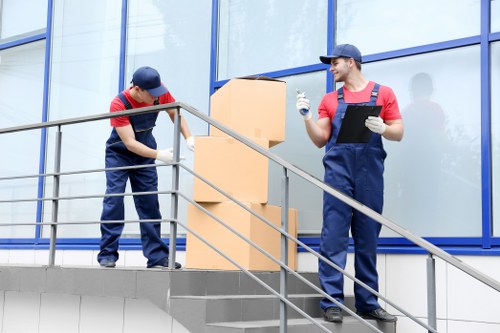
Safe working procedures include: secure stacking within the van, correct use of trolleys and lifting aids, team lifts for heavy items, and avoiding overloading. Vehicle checks, load restraint and parking safety form an integral part of daily routines to reduce road and handling risks.
Personal protective equipment (PPE) such as gloves, high-visibility clothing, sturdy footwear and back supports will be provided and must be used when required. Disposable protection and biohazard handling kits will be available for jobs involving potentially contaminated waste.
Waste segregation is essential for safety and compliance. Prohibited items and hazardous materials must be identified and segregated prior to collection. When uncertain, operatives will seek guidance and refuse to handle items that present unacceptable risk.
Emergency procedures: In the event of injury, vehicle incident or spillage, staff will follow emergency protocols, administer first aid where trained, and summon professional emergency services when necessary. Spillage and containment kits and first aid supplies will be carried on vehicles.
Incident reporting and investigation: All incidents and near misses will be recorded, investigated and reviewed to identify root causes. This process supports corrective action and helps prevent recurrence. Records will be retained to inform training and risk management.
 Monitoring and review: The effectiveness of this policy will be monitored through regular safety audits, toolbox talks and documented inspections. Performance indicators include incident rates, training completion and vehicle maintenance records. The policy will be reviewed at least annually and updated when operational changes occur.
 Continuous improvement is sought through staff feedback (excluding public testimonials) and best practice adoption from the wider waste removal and man and van sectors. The company will strive to apply pragmatic, proportionate controls that support both safety and efficient rubbish transport and disposal.
Compliance: This policy represents the company's approach to health and safety within its rubbish and waste removal operations and demonstrates a duty of care. It is not a substitute for specific legal advice, but it embodies the business commitment to safe, lawful practice in waste handling and small-scale removal services.
All personnel are required to familiarise themselves with this policy, to participate in required training, and to apply the controls set out here while delivering man and van rubbish services. Management will ensure the policy is accessible and enforced fairly across operations.